Posts

Showing posts with the label blog

Harnessing Inner Winds: The Vayu Mudra and Yoga Asanas

Image
In the vast realm of yoga and its associated practices, the Vayu Mudra stands out as a potent gesture that can help balance the vital energy within us. Vayu, meaning "wind" in Sanskrit, represents the air element in our body, and this mudra is believed to help regulate and channel this energy for various physical and mental benefits. In this blog, we'll explore the Vayu Mudra and complement it with some yoga asanas to enhance its effects.   The Vayu Mudra:   **How to Perform Vayu Mudra:** 1. Sit comfortably in a cross-legged position (or on a chair with your feet flat on the ground). 2. Keep your back straight and shoulders relaxed. 3. Focus on your breath for a few moments to center yourself. 4. Bring your index finger to the base of your thumb, gently pressing it. 5. Curl your thumb over your index finger to touch the tip of your thumb to the middle joint of your index finger. 6. Keep the other three fingers extended but relaxed. 7. Maintain this mudra with ...
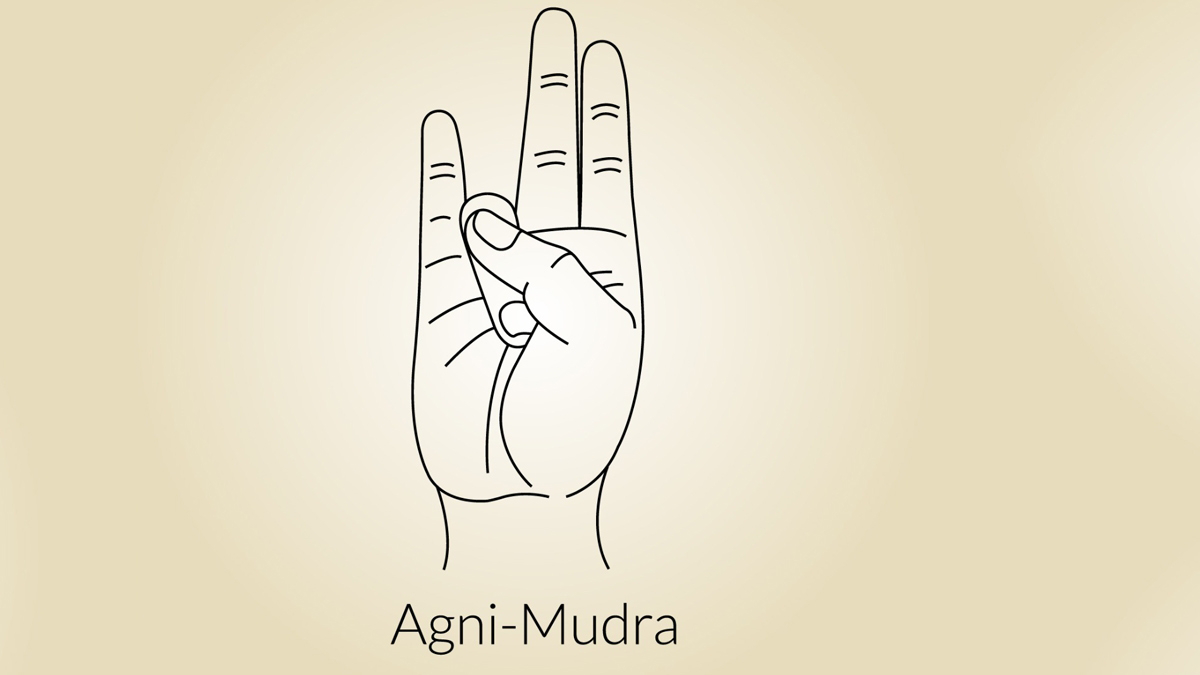
Ignite Your Inner Fire with Agni Mudra and Yoga Asanas

Image
Instagram .  Facebook .  LinkedIn .  Pinterest In the ancient practice of yoga, mudras are symbolic hand gestures that can channel and enhance the flow of energy in the body. One such powerful mudra is the Agni Mudra, also known as the "Fire Mudra." This mudra is believed to stimulate the fire element within, increasing metabolism and promoting digestion. When combined with specific yoga asanas, it can amplify its effects, helping you find balance and vitality. In this blog, we will explore Agni Mudra and some yoga asanas that pair beautifully with it. Agni Mudra is a relatively simple hand gesture that you can incorporate into your yoga practice or daily life. To perform it, follow these steps: 1. Find a comfortable seated position, either on the floor or in a chair. 2. Keep your back straight and your palms facing upward on your knees. 3. Touch the tips of your thumbs to the tips of your ring fingers, while keeping the other fingers extended. 4. Hold this mu...

Gnana Yoga: Wisdom through Knowledge

Image
Instagram Facebook LinkedIn Pinterest In the world of yoga, there are several paths that individuals can follow to attain spiritual realization and self-awareness. One such path is Gnana Yoga, often referred to as the yoga of knowledge or wisdom. This ancient practice is rooted in the pursuit of self-realization through the acquisition of wisdom and insight. In this blog, we will delve into the principles and practices of Gnana Yoga.   The Essence of Gnana Yoga Gnana Yoga, pronounced as "gyana yoga," is a path of self-discovery that centers around the development of wisdom and knowledge. Its core philosophy is grounded in the understanding that true spiritual liberation comes from transcending ignorance and recognizing the eternal truth that underlies all existence. Key Principles: 1. Self-Realization: At the heart of Gnana Yoga is the quest for self-realization. Practitioners seek to understand their true nature beyond the limitations of the ego and the physical ...

Exploring Samadhi in Ashtang Yoga: A State of Profound Meditation

Image
Hey Readers and Yoga enthusiasts, here is the last limb of Ashtang Yoga that is SAMADHI. Ashtang Yoga, a path of self-discovery and spiritual growth, encompasses eight limbs, with the ultimate goal being union with the divine. At the culmination of this journey lies the eighth limb, Samadhi, often described as a state of transcendental bliss and profound meditation. Here we will delve into Samadhi, understanding its significance and how it fits into the Ashtang Yoga. Understanding the Eight Limbs of Ashtang Yoga Ashtang Yoga, as outlined in the Yoga Sutras of Patanjali, provides a structured framework for spiritual growth and self-realization. These eight limbs are like steps on a ladder, each building upon the previous one. They are: 1.        Yama: Ethical guidelines that include principles such as non-violence, truthfulness, and non-attachment. 2.        Niyama: Personal observances, including practices like ...

The Essence of Dhyana in Ashtang Yoga

Image
  Hello enthusiast readers how are you? Today I'll be writing about the seventh limb of Ashtang Yoga that is Dhyana. So let's start with a smile :) Ashtang Yoga, often referred to as the eight-limbed path, offers a comprehensive roadmap for spiritual growth and self-realization. One of its essential components is Dhyana, the practice of meditation. In this brief but detailed blog, we will explore the significance of Dhyana in Ashtanga Yoga. 1. Understanding Dhyana: Dhyana, often translated as meditation, is the seventh limb of Ashtanga Yoga. It follows Dharana, which is the art of concentration. While Dharana is the process of focusing the mind on a single point, Dhyana is the state of sustained, uninterrupted focus, where the meditator becomes one with the object of meditation. 2. The Goal of Dhyana: The ultimate goal of Dhyana is to achieve a deep and unbroken connection between the meditator and the object of meditation. This connection goes beyond words and tho...

FENUGREEK SEEDS USED FOR REDUCING BELLY FAT??

Image
Hey guys know about fenugreek seeds and its benefits to reduce belly fat. Fenugreek seeds have been utilized for therapeutic purposes since days of yore. This old cure can likewise assist with diminishing midsection fat by controling craving. Fenugreek or methi is a fragrant and flavourful spice which is found in Indian kitchens oftentimes and is utilized broadly for culinary and restorative purposes. Midsection fat or stomach fat has been gathering a great deal of consideration lately. As individuals are caught in the trap of stationary propensities, the antagonistic impacts are noticeable as fat amassing in different pieces of the body, the most unsettling of which is gut fat which is otherwise called instinctive fat. What is curious about this sort of fat is that it encompasses inward organs, influencing their capability and jeopardizing one of ongoing sicknesses. It is additionally undeniably challenging to lose stomach fat and along these lines it's pivotal to shap...

DHARNA : Deepening Your Practice in Ashtanga Yoga

Image
Hello to all my readers here I am with another blog...sit back, relax and with a calm mind let's start reading ....In this blog, we will delve into the concept of dharna and understand how it contributes to the path of Ashtang Yoga. Ashtang Yoga, often referred to as the "eight-limbed" yoga, is a comprehensive system for personal transformation and spiritual growth. Dharna, which is the sixth limb of Ashtanga Yoga, plays a crucial role in refining one's practice and achieving a deeper connection with oneself.  Dharna can be translated as "concentration" or "focus." It involves cultivating a single-pointedness of mind, channeling all our attention and energy towards a chosen object of focus. The purpose of dharna is to quiet the mind and create a state of unwavering concentration, allowing for a deeper exploration of our inner landscape and eventual union with the divine. How to Practice of Dharna: 1. Choosing the object of focus: The fi...

Pranayam

Image
Hey yoga enthusiasts...here I am with new blog on Pranayam...let's start with a smile 😊  Pranayam is an integral part of the Ashtanga Yoga practice. It is the conscious control of breath, a technique that helps in regulating and expanding the life force within us. In this blog, we will explore the significance and benefits of pranayam in Ashtanga Yoga. Pranayam, derived from the Sanskrit words "pran" (life force) and "ayam" (control), involves various breathing exercises or techniques that bring balance and harmony to the body, mind, and spirit. This ancient practice aims to purify and strengthen the pranic channels in our body, thereby revitalizing our entire being. In Ashtang Yoga, pranayam is an essential element that follows the asana (posture) practice. It prepares the practitioner for meditation and introspection, creating a calm and focused state of mind. One of the most common pranayam techniques in Ashtang Yoga is Ujjayi breath. It involves breathing i...

NIYAMA second limb of Ashtang Yoga

Hello to all my enthusiast readers, I am here with another blog on Niyama the second limb of Ashtang Yoga. So let's start with ZEAL 😊 Niyama in Ashtanga Yoga: Cultivating Discipline and Self-Care Niyama, which refers to the personal observances or disciplines that we cultivate in our daily lives. Niyama consists of five components: Saucha (cleanliness), Santosha (contentment), Tapas (discipline), Svadhyaya (self-study), and Ishvara pranidhana (surrender to a higher power). Each of these components plays a vital role in deepening our yoga practice and transforming our lives. Saucha, the first component of Niyama, emphasizes cleanliness and purity. It involves taking care of our physical bodies, our living spaces, and our environment. By practicing Saucha, we create a clean and harmonious space for our practice, both internally and externally. This can be achieved through maintaining a clean diet, practicing good hygiene, and keeping our surroundings clutter-free. Santosha, or conte...

Ashtang Yoga

Image
Hello hello! I am here with another blog talking about Ashtang Yoga . So let's start with ZEAL 😃 Ashtang Yoga is a traditional form of yoga and it is a physically demanding practice that involves a set sequence of postures, or asanas, that are performed in a specific order. The practice also includes breathing techniques, or pranayam, and meditation. The word "ashtang" means "eight limbs" in Sanskrit, and refers to the eight-fold path of yoga outlined by the ancient sage Patanjali in the Yoga Sutras. These eight limbs include ethical guidelines, physical postures, breathing techniques, concentration, meditation, and other practices aimed at achieving spiritual growth and enlightenment. The physical practice of Ashtang Yoga is divided into six series, each of which builds on the previous one and becomes progressively more challenging. The first series, called the Primary Series, focuses on building strength and flexibility in the body, while the late...

VINYASA YOGA

Hello to all my lovelies, I am here with another blog. So let's start with ZEAL  Vinyasa yoga is a popular style of yoga that emphasizes the connection between breath and movement. The practice is known for its flowing, dynamic movements, which are designed to help students build strength, flexibility, and mindfulness. In a vinyasa yoga class, students typically begin with a series of sun salutations, which are a sequence of poses that warm up the body and prepare it for more challenging poses. The sun salutations are often followed by a series of standing, seated, and balancing poses, which are linked together in a flowing sequence. One of the key principles of vinyasa yoga is the idea of "vinyasa krama," which means "step by step progression." This means that students are encouraged to move through the practice at their own pace, gradually building up their strength and flexibility over time. Another important aspect of vinyasa yoga is the use of breath. Stude...

WHAT IS YOGA?

Hello to all my lovelies, I am here with my first blog with basic information about yoga. So let's start with ZEAL  So, Yoga is a beautiful practice that has been around for centuries, and it has gained immense popularity in recent years. It is a holistic approach to wellness that focuses on the mind, body, and spirit. The physical aspect of yoga involves a series of postures that are designed to improve flexibility, strength, and balance. These postures are often named after animals or objects in nature, such as the downward dog or the tree pose. Breathing exercises are also an integral part of yoga practice. Pranayama is the practice of controlling the breath, and it is believed to have numerous health benefits. It can help to reduce stress and anxiety, improve lung function, and increase energy levels. Meditation is another important aspect of yoga practice. It involves focusing the mind on a particular object or thought, and it can help to promote mental clarity and reduce stre...