Posts

Showing posts with the label wellbeing

Understanding Pitta Dosha: Balancing Through Asanas

In Ayurveda, the ancient Indian system of medicine, the concept of doshas plays a central role in understanding the unique constitution of an individual. Pitta dosha, characterized by fire and water elements, governs metabolism, digestion, and energy production in the body. When in balance, it promotes healthy digestion, sharp intellect, and a vibrant personality. However, an excess of Pitta can lead to various health issues, including inflammation, acidity, and irritability. To maintain optimal well-being, incorporating specific asanas into your daily routine can help balance the Pitta dosha effectively. Understanding Pitta Dosha in the Individual Body: Pitta dosha embodies the elements of fire and water, giving it qualities of heat, sharpness, and intensity. Individuals with a predominant Pitta constitution are often characterized by a medium build, strong metabolism, and a determined nature. When this dosha is in balance, it supports digestion, intelligence, and a warm, friendly dis...

Unlocking Spiritual Connection: The Crown Chakra

Image
The Crown Chakra, also known as Sahasrara in Sanskrit, is the pinnacle of the seven main chakras in the human body. Located at the top of the head, it is associated with pure consciousness, spiritual awakening, and a profound connection to the universe. In this blog, we will explore the Crown Chakra, its benefits, and practices to balance and activate it.   Benefits of a Balanced Crown Chakra:   1. Spiritual Connection: When the Crown Chakra is open and balanced, you experience a deep sense of oneness with the universe and a higher power. This connection can lead to profound spiritual experiences and a greater understanding of your purpose in life.   2. Clarity of Mind: An open Crown Chakra allows for mental clarity and a sense of inner peace. You become more aware of your thoughts and can better control them, leading to reduced anxiety and stress.   3. Enhanced Wisdom: With an activated Crown Chakra, you gain access to higher wisdom and insight. You can ...

Unveiling the Throat Chakra: Benefits, Yoga Asanas, Meditation, and Chanting Sound

Image
The throat chakra, also known as Vishuddha in Sanskrit, is the fifth energy center in the chakra system. Located at the throat region, it is associated with communication, self-expression, and creativity. This powerful chakra plays a crucial role in maintaining balance and harmony in our lives. In this blog, we'll explore the throat chakra, its benefits, and how to enhance its function through yoga asanas, meditation, and chanting sound.   Benefits of a Balanced Throat Chakra:   1. Effective Communication: A balanced throat chakra enables clear and honest communication. It allows you to express your thoughts, feelings, and ideas with confidence, leading to healthier relationships and improved understanding.   2. Creative Expression: This chakra is closely linked to creativity. When it's open and active, you'll find it easier to tap into your artistic and imaginative abilities.   3. Self-Confidence: An open throat chakra boosts your self-esteem and confide...

The Heart Chakra: Unlocking Love and Balance

Image
The heart chakra, known as Anahat in Sanskrit, is the fourth primary chakra in the human energy system. Located at the center of the chest, it serves as the bridge between the lower three chakras (root, sacral, and solar plexus) and the upper three chakras (throat, third eye, and crown). Often associated with love, compassion, and balance, the heart chakra plays a vital role in our emotional and spiritual well-being.   Benefits of a Balanced Heart Chakra:   1. Unconditional Love: A balanced heart chakra allows you to love unconditionally, both yourself and others. It fosters empathy, compassion, and kindness.   2. Harmony: When the heart chakra is in balance, you experience inner peace and harmony. You can navigate life's challenges with a calm and centered attitude.   3. Healthy Relationships: This chakra governs relationships, making it easier to form and maintain healthy connections with others.   4. Self-Acceptance: You learn to accept yourself a...

Exploring the Root Chakra: Benefits and Yoga Asanas for Balance

Image
The ancient practice of yoga is not just a physical exercise but a holistic approach to well-being, encompassing the body, mind, and spirit. One essential aspect of yoga is the concept of chakras, which are energy centers within the body. The root chakra, also known as Muladhara, is the first and foundational chakra located at the base of the spine. In this blog, we will explore the root chakra, its significance, benefits, and yoga asanas to help balance it.   Understanding the Root Chakra The root chakra is associated with the element of Earth and is often symbolized by a four-petaled lotus flower. It is the energy center that governs our sense of security, stability, and basic survival needs. When this chakra is balanced, we feel grounded, secure, and confident in our ability to meet life's challenges.   Benefits of a Balanced Root Chakra   1. Emotional Stability: A balanced root chakra fosters emotional stability, reducing feelings of fear, anxiety, and ins...

Unlocking the Power Within: Guide to the 7 Chakras

Image
The ancient wisdom of yoga and Eastern spirituality has long recognized the significance of the human body's energy centers, known as chakras. These seven spinning wheels of energy are believed to be essential for maintaining physical, mental, and spiritual well-being. We will explore each of the seven chakras and their importance in our lives.   1. Root Chakra (Muladhara)   Location: Base of the spine Color: Red   The Root Chakra is the foundation of our energy system. It represents our sense of security, stability, and survival. When balanced, it provides us with a strong sense of grounding and helps us feel safe in the world. An imbalanced Root Chakra can lead to fear, anxiety, and insecurity.   2. Sacral Chakra (Svadhishthana)   Location: Lower abdomen, below the navel Color: Orange   The Sacral Chakra is associated with creativity, emotions, and sensuality. It governs our ability to experience pleasure and connect with others on an intimate...

Unlocking the Power Within: Prithvi Mudra and Yoga

Image
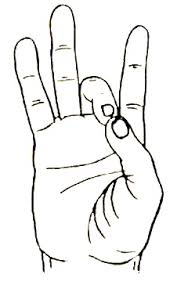
In the world of yoga and meditation, mudras hold a special place. These symbolic hand gestures are believed to channel energy and promote physical, mental, and spiritual well-being. One such mudra is the Prithvi Mudra, which is associated with the Earth element. By practicing Prithvi Mudra along with specific yoga asanas, you can tap into its grounding and nourishing energy. Let's explore this mudra and some complementary yoga poses.   Prithvi Mudra: The Earth Mudra   Instagram .   Facebook .  LinkedIn .   Pinterest Prithvi Mudra, also known as the Earth Mudra, is a simple yet powerful hand gesture that balances the Earth element within your body. To perform this mudra:   1. Sit in a comfortable meditative posture, such as Padmasana (Lotus Pose) or Sukhasana (Easy Pose). 2. Keep your back straight and your hands resting on your thighs . 3. Touch the tip of your ring finger to the tip of your thumb while keeping the other three fingers ...

Prithvi Tatva: Earth's Elemental Essence

Image
In the realm of elemental energies that govern our universe, Prithvi Tatva, or the Earth Element, stands as a symbol of stability, substance, and the very foundation of life itself. Rooted in ancient Indian philosophy and frequently referenced in various cultures worldwide, this element holds a unique and essential place in our understanding of the natural world. Instagram .   Facebook .   LinkedIn .    Pinterest The Essence of Prithvi Tatva Prithvi Tatva represents the physical world around us, embodying everything solid and tangible. It is the element that gives form and structure to our existence. This element encompasses the qualities of solidity, stability, endurance, and reliability. It is the embodiment of our planet, Earth, and all the elements it comprises: minerals, metals, mountains, and landscapes.   The Symbolism of Prithvi Tatva   1. Stability and Grounding: Just as the Earth provides a solid foundation for all life, Prit...

Discovering Balance: The Akash Mudra and Yoga Asanas

Image
In the world of yoga, mudras are symbolic hand gestures that facilitate the flow of energy in the body. One such mudra that holds profound significance is the Akash Mudra. Combining it with specific yoga asanas can help you harness the elemental power of space and experience inner peace and tranquility. In this brief but detailed blog, we'll explore the Akash Mudra and suggest some yoga asanas to complement its benefits.   Akash Mudra: The Space Element Gesture Akash Mudra, also known as the "Gesture of the Ether" or "Sky Mudra," is designed to connect you with the space element (akash) and promote clarity of thought, expansion of consciousness, and a sense of openness. To perform this mudra:   1. Sit comfortably in a cross-legged position or on a chair with your spine straight. 2. Rest your hands on your knees, palms facing upwards. 3. Touch the tips of your middle finger and thumb lightly while keeping the other fingers extended. 4. Maintain a rela...

Exploring Vayu Tatva: The Element of Air

Image
  In the ancient philosophy of the Panchamahabhuta, or the five elements, Vayu Tatva holds a prominent place. Vayu Tatva, also known as the Element of Air, is a fundamental concept deeply rooted in Indian philosophy, Ayurveda, and yoga. Let's embark on a brief yet detailed journey to understand the essence of Vayu Tatva. The Essence of Vayu Tatva:   1. Definition: Vayu Tatva is one of the five elements that constitute the material world according to Indian philosophy. It represents the element of air or wind and is associated with motion, movement, and the subtle breath of life.   2. Attributes: Vayu Tatva is characterized by its lightness, mobility, and transparency. It is ever-changing, constantly in motion, and can be both gentle as a breeze or powerful as a hurricane.   3. Symbolism: In symbolic terms, Vayu Tatva is often represented as a circle with a downward-pointing triangle inside it. This symbolizes the flow of air and its connection to the phys...

PANCH TATVA (Five Elements)

Image
Hello hello yoga enthusiasts and my lovely readers.....From this blog I have started writing about 5 Elements also known as PANCH TATVA...Yoga, the ancient science of holistic well-being, delves deeper than just physical postures and breath control. At its core, yoga teaches us to connect with the five fundamental elements of nature, known as Panch Tatva: Earth (Prithvi), Water (Jal), Fire (Agni), Air (Vayu), and Sky (Akasha). Let's explore the profound importance of these elements in yoga practice and how they can help us achieve inner harmony.   1. Earth (Prithvi): Stability and Grounding    - Earth represents the solid foundation upon which we build our yoga practice. It embodies stability and grounding.    - Yogic postures like Tadasana (Mountain Pose) and Balasana (Child's Pose) help us root ourselves, promoting balance and a sense of security.    - Embracing Earth's qualities reminds us to stay grounded in the present moment, both on ...

YAMA The First Limb of Ashtang Yoga

Hello yoga enthusiasts this is zeal today I'll share some information about the 1st limb out of 8, that is YAMA / YAM. So let's start.... Ashtang Yoga is a form of yoga that involves a set sequence of postures that are performed in a specific order. One of the key components of Ashtang Yoga is the practice of Yama also called as Yam that is External Disciplines, which is the first limb of the eight limbs of yoga. Yama is a set of ethical principles that guide a person's behavior towards others and themselves. It includes five principles, which are: 1. Ahimsa (Non-violence): This principle emphasizes the importance of non-violence towards all living beings. It involves avoiding harm to others, both physically and mentally. 2. Satya (Truthfulness): This principle emphasizes the importance of being truthful in all aspects of life. It involves speaking the truth, avoiding lies and deceit, and being honest with oneself and others. 3. Asteya (Non-stealing): This principle emphasi...

HATHA YOGA

Hello to all my lovelies, I am here with another blog writing about HATHA YOGA . So let's start with ZEAL. Hatha yoga is a type of yoga that focuses on physical postures, breathing techniques, and meditation. It is a combination of two Sanskrit words, "ha" which means sun and "tha" which means moon. The practice of Hatha yoga aims to balance the body and mind by bringing together the energy of the sun and the moon. It involves holding poses for a longer period of time, focusing on breathing, and practicing mindfulness. Hatha yoga is a traditional form of yoga that originated in India. It is a holistic practice that aims to balance the body, mind, and spirit. In Hatha yoga, physical postures or asanas are used to strengthen and stretch the muscles, increase flexibility, and improve overall health. These postures are often held for a longer period of time to allow for deeper relaxation and focus. Breathing techniques, or pranayama, are also an essential part of Ha...